The Evolution and Impact of Speech to Text Technology
The Evolution and Impact of Speech to Text Technology
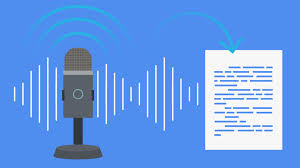
The innovations in Speech to Text technology have significantly transformed numerous sectors by enabling machines to understand and transcribe spoken language into written text, facilitating more seamless interactions between humans and computers.
Introduction
Speech to Text (STT) technology has progressed dramatically over the last few decades. From its humble beginnings in the early days of voice recognition to its current capabilities powered by artificial intelligence (AI) and machine learning (ML), STT has reshaped various industries, notably in communication, accessibility, and daily life applications. This article examines the milestones of this technology, its current applications, and its future implications.
Historical Context
The journey of speech recognition technology can be traced back to the 1950s when the first simple systems could recognize only a limited vocabulary. IBM introduced its 7010 model in 1961, capable of recognizing 16 words. However, it was not until the 1990s, with the rise of more advanced algorithms, that speech recognition systems improved significantly. The introduction of continuous speech recognition systems allowed the technology to evolve, making it more user-friendly and efficient.
Technological Advancements
The advent of AI and ML has redefined the capabilities of Speech to Text technology. Modern STT systems utilize deep learning, which enables them to understand the nuances of human speech, including accents, dialects, and inflections. Libraries such as TensorFlow and PyTorch have provided frameworks for the development of sophisticated neural networks, which are at the heart of contemporary STT systems.
Natural Language Processing
Integrating Natural Language Processing (NLP) with STT is pivotal. NLP allows machines to comprehend context, intent, and emotional tone, which solidifies interaction experiences. For instance, virtual assistants like Amazon Alexa and Apple Siri use advanced STT and NLP, allowing them to engage in conversational exchanges with users.
Real-Time Processing
Another breakthrough is the ability of modern systems to process speech in real time. This capability is crucial in settings like conferences, customer service, and healthcare, where immediate transcription can dramatically improve efficiency and communication.
Applications of Speech to Text
STT technology has an extensive range of applications across various fields:
1. Healthcare
In the healthcare sector, STT systems allow healthcare professionals to transcribe patient notes and medical reports quickly, reducing administrative burdens. Doctors can dictate their notes, which reduces the risk of errors compared to manual entry.
2. Business and Communication
Businesses utilize STT technology for meeting transcriptions, customer support interactions, and automating workflows. By converting speech to text, companies enhance productivity and ensure that important information is captured accurately.
3. Accessibility
For individuals with disabilities, Speech to Text plays a vital role in enhancing accessibility. It allows individuals who are deaf or hard of hearing to participate more fully in conversations and access content that would otherwise be unavailable.
4. Education
In educational settings, Speech to Text technology is leveraged for transcribing lectures, allowing students to focus on content delivery instead of note-taking. This technology supports various learning styles, making education more inclusive.
The Future of Speech to Text Technology
The future of Speech to Text technology looks promising. The focus is now on improving accuracy, expanding language support, and enhancing user experiences through personalization. Continuous development in AI will enable systems to learn from interactions, improving their responses and transcription quality over time.
Privacy and Ethical Considerations
As with any technology, the advancement of STT raises privacy and ethical questions, especially concerning data safety and consent. Organizations using STT must navigate these challenges carefully, ensuring user data is protected and encryption processes are equipped to prevent unauthorized access.
Conclusion
Speech to Text technology has undergone a remarkable evolution, transforming the way we interact with machines and shaping communication across various fields. As we move forward, the focus on enhancing accuracy, ensuring privacy, and broadening accessibility will be critical. As STT technology becomes increasingly integrated into everyday applications, it will fundamentally change our communication landscape, making interaction with technology more natural and efficient.
In conclusion, the trajectory of Speech to Text signifies not just a technological advancement, but a profound shift in how we comprehend and utilize language, shaping the future of human-machine interaction and fostering an inclusive environment for all users.
