Comprehensive Support on AML Matters Legal Guidance for Compliance

Understanding the Importance of Support on AML Matters
In today’s complex financial landscape, support on AML matters https://justtraining.com.au/media/pgs/?support-on-aml-matters-legal-guidance-for-anti-money-laundering.html is crucial for businesses and financial institutions aiming to navigate the regulatory environment effectively. Anti-Money Laundering (AML) initiatives are essential for detecting, preventing, and responding to money laundering activities, which can have devastating effects on the economy and society at large. This article delves into the multifaceted support available for AML compliance, the legal frameworks guiding these efforts, and the strategies organizations can implement to foster a culture of compliance.
What is Anti-Money Laundering (AML)?
Anti-Money Laundering (AML) refers to the laws, regulations, and procedures designed to prevent criminals from disguising illegally obtained funds as legitimate income. The ultimate goal of AML initiatives is to detect suspicious activities that may indicate money laundering and to take appropriate action against such activities. Various jurisdictions have established their own regulatory frameworks to combat money laundering, which often include both international standards and local laws.
The Legal Framework of AML
Understanding the legal framework surrounding AML is essential for effective compliance. The Financial Action Task Force (FATF) is an intergovernmental organization that sets international standards aimed at combating money laundering and terrorist financing. Countries are encouraged to adopt legislation in line with FATF recommendations, leading to the establishment of different AML laws across jurisdictions.
Beyond the FATF recommendations, specific laws such as the Bank Secrecy Act (BSA) in the United States and the Proceeds of Crime Act (POCA) in the UK serve as cornerstones of the respective AML frameworks. Organizations need to familiarize themselves with these laws, as failure to comply can result in severe penalties, including hefty fines and reputational damage.
Importance of AML Compliance
Compliance with AML regulations is not only a legal imperative but also a business necessity. Failing to implement effective AML measures can expose organizations to a range of risks, including financial penalties, loss of business, and damage to reputation.
Moreover, AML compliance often enhances overall business integrity. By fostering a culture of compliance, organizations can protect their reputations and enhance their relationships with regulators, investors, and the public. In an era where corporate accountability is paramount, businesses cannot afford to neglect their AML obligations.
Support Mechanisms for AML Compliance
Organizations need robust support systems in place to effectively comply with AML regulations. Here are several key areas of focus:
1. Training and Education
Continuous training and education on AML matters are indispensable. Organizations should implement regular training programs to ensure that employees are well-versed in AML laws, recognize red flags associated with money laundering, and understand the procedures for reporting suspicious activities.
2. Risk Assessment
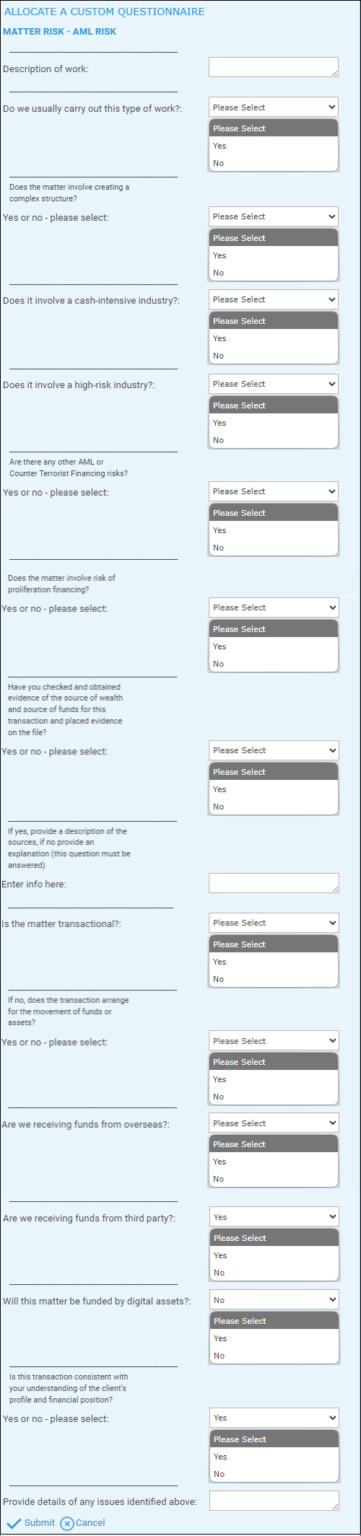
A comprehensive risk assessment is fundamental to identifying and mitigating potential AML risks. Businesses should evaluate their exposure to money laundering risks based on factors such as geographic location, customer profile, transaction types, and product lines. This proactive measure allows organizations to tailor their AML strategies effectively.
3. Implementation of AML Policies
Establishing clear AML policies is critical for compliance. Policies should detail procedures for customer due diligence, transaction monitoring, and reporting suspicious activities. Having well-documented policies ensures that employees understand their responsibilities and can act in accordance with organizational standards.
4. Collaboration with Legal Experts
Developing strong relationships with legal experts and compliance consultants can provide necessary guidance and support for AML efforts. Legal experts can offer invaluable insights into regulatory requirements, assist in conducting audits, and help organizations navigate complex legal landscapes.
5. Technology Solutions
Leveraging technology to streamline AML processes is becoming increasingly critical. Advanced analytics and machine learning algorithms can enhance transaction monitoring, helping organizations quickly identify and investigate suspicious activities. Effective use of technology can also aid in simplifying reporting processes and maintaining compliance.
Conclusion: Emphasizing Accountability in AML Efforts
Support on AML matters is an ongoing process that requires commitment from all levels of an organization. As the regulatory landscape continues to evolve, maintaining AML compliance will demand adaptive strategies tailored to emerging threats and business environments.
Organizations must prioritize education, incorporate risk assessment practices, implement robust policies, collaborate with legal experts, and invest in technology solutions to ensure excellence in their AML efforts. By fostering a culture of compliance, businesses can not only protect themselves from legal repercussions but also uphold the integrity of the financial system at large.
As you navigate the complexities of AML compliance, remember that seeking expert support is a vital step towards fostering a secure and compliant operational environment. Compliance is a collective responsibility, and with the right support, businesses can effectively contribute to the fight against money laundering.
