Assets vs Liabilities: Examples & Difference 2025

These statements are prepared as the requirement of management, owners, shareholders, governments, and other related authority organizations. We do not manage client funds or hold custody of assets, we help users connect with relevant financial advisors. In accounting, the accounts are classified using one of two approaches – modern approach or traditional approach. We shall describe modern approach first because this approach of classification of accounts is used in almost every advanced country. The use of traditional approach is very limited and it will be discussed Outsource Invoicing later. In short, one is owned (assets) and one is owed (liabilities).
How Expenses Flow Through Financial Statements
Retained earnings are the accumulated net income of a company that has not been distributed as dividends to shareholders. Instead, these earnings are reinvested in the company to improve operations, pay off debts, or fund expansion projects. Retained earnings play a crucial role in growing a company and increasing its equity value over time.
Revenues:
For example, if assets are increasing and the liabilities are stable, then equities will increase. However, if recording transactions assets are stable and liabilities are increased, the equity will decrease. For example, salaries payable are classed as current liabilities because they are expected to pay an employee in the following month.

Debits and Credits: Contributed Capital
- Because accounts payables are expenses you have incurred but not yet paid for.
- A company issues 10,000 shares at $10 each, resulting in share capital of $100,000.
- In short, one is owned (assets) and one is owed (liabilities).
- To analyze the financial health of a company, it is essential to understand its revenue performance, cost management, and profitability.
- A loan from a business partner will be treated as a liability of the business.
- Properly managing expenses can also lead to higher profitability.
If the corporation were to liquidate, the secured lenders would be paid first, followed by unsecured lenders, preferred stockholders (if any), and lastly the common stockholders. The purchase of its own stock for cash causes ASI’s assets to decrease by $100 and its stockholders’ equity to decrease by $100. Since ASI has not yet earned any revenues nor incurred any expenses, there are no amounts to be reported on an income statement. In addition, we show the effect of each transaction on the balance sheet and income statement.

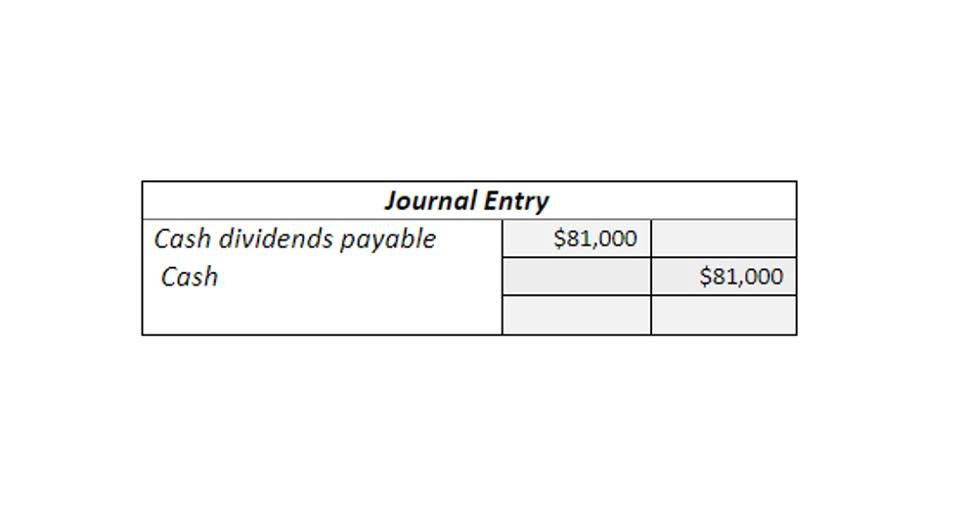
Transactions are liabilities expenses can be summarized into similar group or accounts. A company compiles a list of accounts to make the chart of accounts. Increase (debit) your Checking account and decrease (credit) your Inventory account. Although your Accounts Receivable account is money you don’t physically have, it is considered an asset account because it is money owed to you.
How Debits and Credits Affect Different Account Types
This account includes the total amount of long-term debt (excluding the current portion, if that account is present under current liabilities). This account is derived from the debt schedule, which outlines all of the company’s outstanding debt, the interest expense, and the principal repayment for every period. Think of expenses as the costs of running the business now and liabilities as financial commitments that need to be paid in the future.
Businesses track assets, expenses, liabilities, and equity using these methods. These reports show how well a company manages assets, controls debts, and earns profits. They also highlight trends like rising expenses or growing liabilities. Debits and credits help create accurate financial statements and reports. They organize data into clear categories to show what a company owns, owes, earns, and spends. A journal entry records the date, accounts affected, and amounts debited and credited.
