Identifying Red Flags for OFAC Violations Key Considerations
Identifying Red Flags for OFAC Violations: Key Considerations
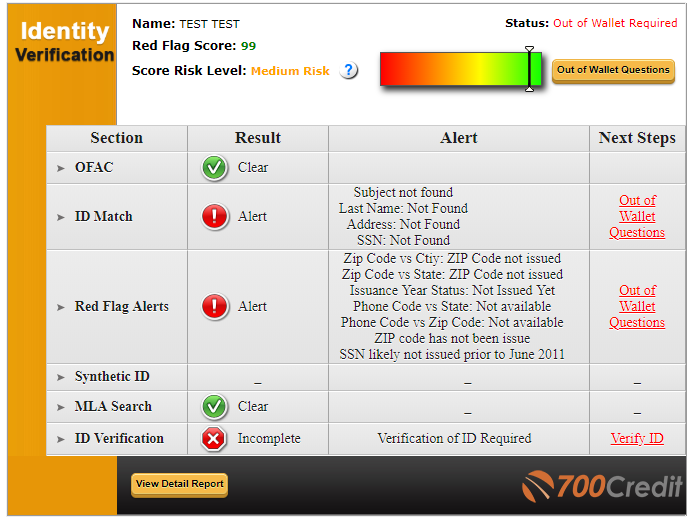
The Office of Foreign Assets Control (OFAC) is an agency of the U.S. Treasury Department that administers and enforces economic and trade sanctions against targeted foreign countries and regimes, terrorists, international narcotics traffickers, and those involved in activities related to the proliferation of weapons of mass destruction. Understanding what constitutes a violation is crucial for businesses, especially those involved in international trade. It is essential to be aware of the red flags that could indicate potential OFAC violations. For more detailed information about common risks, refer to this red flags for OFAC violations https://xticketz.com/media/pgs/common-ofac-violation-risks.html.
Understanding OFAC Violations
An OFAC violation typically occurs when a person or entity engages in a transaction that is prohibited by legislation or regulations set forth by OFAC. This can include conducting business with individuals or organizations that are listed on the Specially Designated Nationals and Blocked Persons List (SDN List), as well as dealing with countries subject to comprehensive sanctions.
Types of OFAC Violations
OFAC violations can include, but are not limited to, the following:
- Transacting with individuals or entities listed on the SDN List.
- Engaging in business with sanctioned countries, such as North Korea or Iran.
- Failing to report or block transactions that involve sanctioned parties.
- Providing services that aid or facilitate OFAC-sanctioned individuals or entities.
Key Red Flags Indicating Potential OFAC Violations
A proactive approach to compliance requires vigilance and awareness. Here are some notable red flags that businesses should watch for, as they may indicate a risk of OFAC violation:
1. Unusual Transaction Patterns
Be wary of any transaction that significantly deviates from normal behavior. Unusual patterns may include:
- Transactions with entities in high-risk jurisdictions.
- Large, round-number payments that seem out of context.
- Multiple transactions conducted in a short time frame that appear to be systematically avoiding detection.
2. Mismatched Information
Inconsistencies in the information provided by a customer can be a big red flag. This can include:

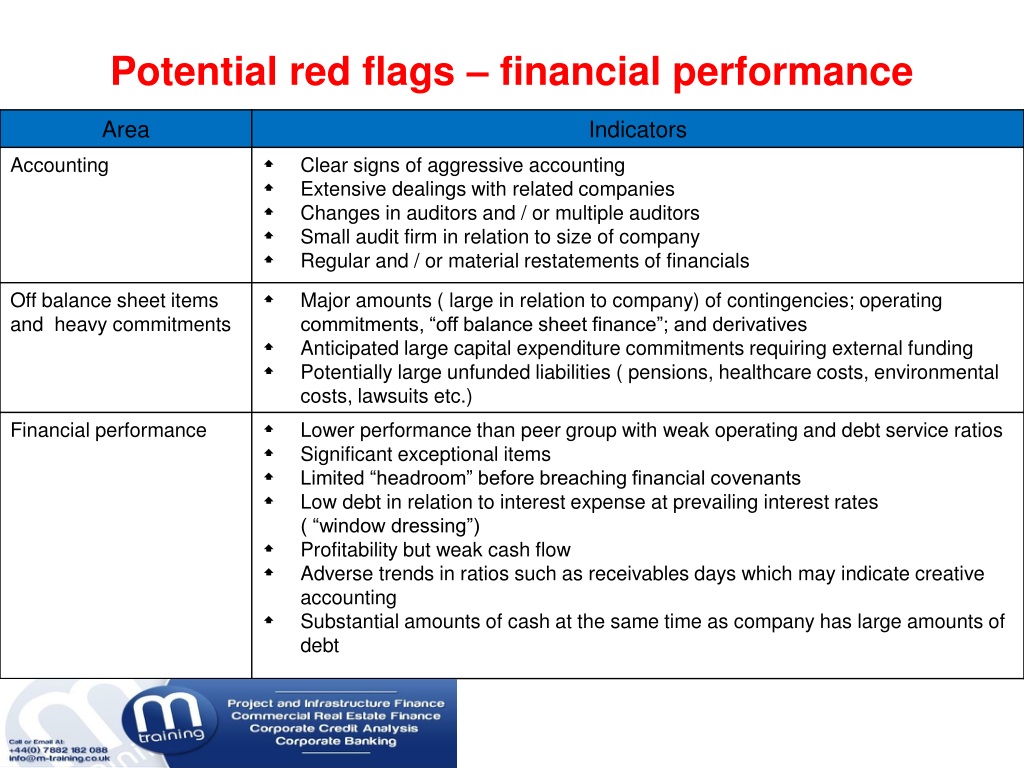
- Discrepancies in names, addresses, or other identifying details.
- Use of aliases or different names that are common among sanctioned individuals.
- Inconsistent information regarding a company’s shareholder or ownership structure.
3. Lack of Transparency
Individuals or entities that refuse to provide necessary information or documents may pose a higher risk. Behaviors include:
- Reluctance to share business purposes or transaction rationale.
- Refusal to comply with due diligence requests.
- Using complex ownership structures that obscure the true parties involved.
4. Transactions Involving Cash or Untraceable Payment Methods
Cash transactions or those involving crypto currencies can be used to circumvent regulations. Red flags include:
- High volumes of cash payments or an unusual number of cash transactions.
- Use of payment methods that lack full identity verification.
- Frequent payments from offshore accounts with no clear connection to the business.
5. Concerns Raised by Third Parties
If a third party, such as a bank or financial institution, raises concerns regarding a transaction, take it seriously. This could indicate:
- Required additional documentation or regulation compliance.
- Possible links to sanctioned individuals or entities.
Implementing Effective Compliance Measures
To mitigate risks associated with OFAC violations, businesses can implement several compliance measures:
1. Conduct Regular Compliance Training
Educate employees about OFAC regulations and the importance of compliance. This will help staff recognize red flags quickly and navigate complex regulatory environments effectively.
2. Develop Robust Due Diligence Processes
Ensure that your business has clear protocols for conducting thorough due diligence before entering into transactions, particularly with foreign partners.
3. Implement Advanced Technology Solutions
Utilize enhanced screening software that includes the latest sanctions lists and flag suspicious activities for further review. Tech-based solutions can assist in automating risk assessment processes.
4. Maintain Detailed Records
Keep comprehensive records of all transactions and communications related to compliance measures, especially when concerns arise. This documentation can provide essential support if investigations occur.
Conclusion
In today’s interconnected world, the implications of OFAC violations can be severe, ranging from hefty fines to severe damage to a company’s reputation. By understanding the red flags indicative of potential violations and taking proactive measures to ensure compliance, businesses can protect themselves from these serious risks. Responding promptly to any suspicious activity and maintaining a rigorous compliance program is not just good practice but essential for responsible business operations.
