Nauru Passport Overview Essential Information and Benefits -1636496062
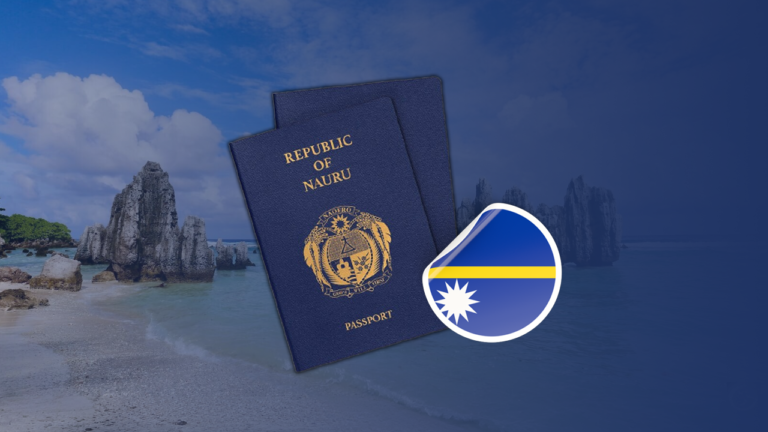
The Nauru passport is an intriguing document that not only represents the sovereignty of the Republic of Nauru, a small island nation in the Pacific Ocean, but also opens doors to international travel for its citizens. With its unique status and various advantages, this passport is an essential element in understanding Nauru’s relationship with the world. For a comprehensive guide, refer to our Nauru Passport Overview Nauru Passport overview.
Understanding Nauru
Nauru is one of the world’s smallest island nations, both in size and population. Located northeast of Australia and south of the Equator, it spans just 21 square kilometers and has a population of around 10,800 residents. Despite its small size, Nauru has a rich history and culture shaped by its indigenous people, as well as significant economic changes over the years driven primarily by phosphate mining.
The Importance of the Nauru Passport
The Nauru passport is more than just a travel document; it is a representation of national identity and pride. Passports are essential tools that facilitate global mobility, and the Nauru passport is no exception. It allows Nauruans to travel to various countries without the need for a visa or with visa-on-arrival facilities, thus enhancing international connectivity.
Application Process
Obtaining a Nauru passport involves a straightforward application process. Here are the essential steps:
- Eligibility: Applicants must be citizens of Nauru. This includes individuals born in Nauru as well as those who have acquired Nauruan citizenship through naturalization.
- Documentation: Required documents typically include proof of identity (such as a birth certificate), photographs, and application forms. Sometimes, additional documents may be requested based on specific circumstances.
- Application Submission: Completed applications can be submitted to the Department of Foreign Affairs and Trade or other designated authorities.
- Processing Time: The processing time can vary, so applicants should apply well in advance of their planned travel.
Benefits of the Nauru Passport
The Nauru passport comes with several notable benefits:
- Visa-Free Travel: Nauru passport holders enjoy visa-free or visa-on-arrival entry to numerous countries, making it easier for them to travel for tourism, business, or education.
- International Recognition: The passport is recognized globally, allowing holders to engage in international affairs, tourism, and education.
- Consular Protection: Nauruan citizens traveling abroad benefit from the protections and assistance provided by Nauru’s diplomatic missions.
Challenges Faced by Nauru Passport Holders
Despite its advantages, Nauru passport holders do face challenges in certain situations:

- Limited Diplomatic Presence: Due to Nauru’s small size, it has a limited number of diplomatic missions around the world, which can pose challenges for citizens requiring consular support.
- Visa Restrictions: Although the passport allows for visa-free travel to various countries, some major destinations, including the United States and the Schengen Area, still require visas, limiting access for Nauruan travelers.
Nauru’s Global Standing
Nauru may be small in size, but it plays a role in global discussions, particularly concerning environmental issues and climate change, as its very existence is threatened by rising sea levels. The Nauru passport thus also symbolizes the nation’s struggles and its contributions to global issues.
Conclusion
The Nauru passport is a vital document for the citizens of this small island nation, providing opportunities for travel, business, and cultural exchange. While it opens many doors, it is equally important to understand its limitations and challenges. As Nauru continues to evolve on the global stage, its passport will remain a key component of its identity and the gateway for its citizens to connect with the world.