Unlocking Higher Returns with AI Commerce System Profit Strategies for Experienced and Novice Traders Alike
Unlocking Higher Returns with AI Commerce System Profit Strategies for Experienced and Novice Traders Alike
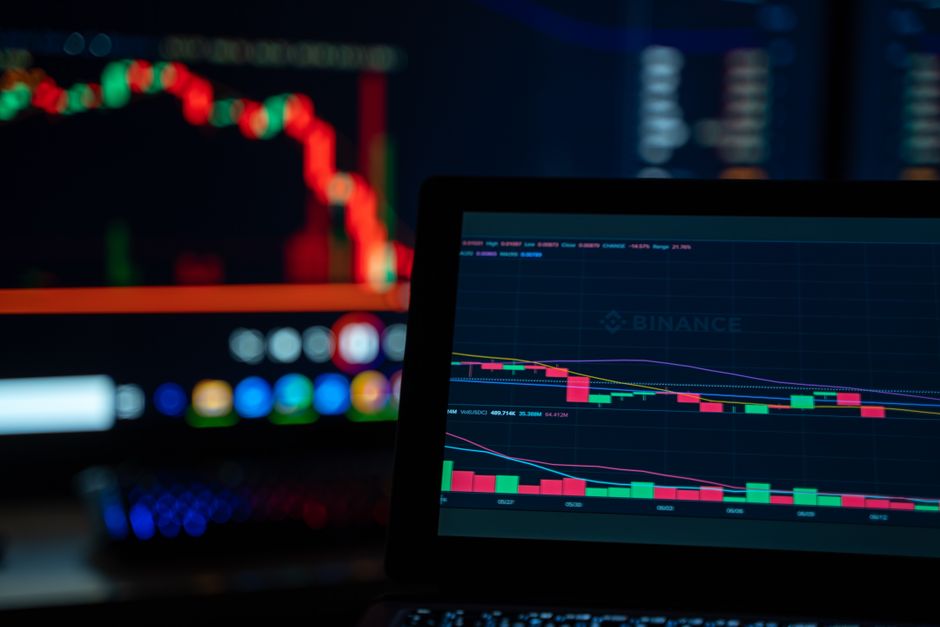
How AI Transforms Trading Decisions
Traditional trading relies heavily on manual analysis and emotional discipline – two factors that often lead to inconsistent results. AI-driven systems eliminate guesswork by processing vast datasets in real time. For instance, AI Commerce System Profit Strategies leverage machine learning to identify price patterns and execute trades faster than any human. This technology adapts to market shifts without requiring constant user input, making it suitable for both beginners testing strategies and veterans optimizing large portfolios.
Novice traders benefit from pre-configured algorithms that reduce the learning curve. Experienced traders gain access to customizable parameters – risk thresholds, asset classes, and timeframes – allowing fine-tuned control. The core advantage remains consistent: data-driven decisions outperform emotional reactions in volatile markets.
Core Components of AI-Driven Profit Strategies
Pattern Recognition and Predictive Analytics
AI systems scan historical and live data to detect recurring structures like head-and-shoulders or support-resistance levels. Predictive models then assign probability scores to potential outcomes. This enables traders to enter or exit positions based on statistical likelihood rather than speculation. Backtesting features let users validate strategies against past market conditions before risking capital.
Automated Risk Management
Profit sustainability depends on controlled losses. AI strategies incorporate stop-loss triggers, position sizing rules, and portfolio diversification algorithms. These tools automatically adjust exposure when volatility spikes or drawdown limits are reached. Novices avoid catastrophic mistakes, while experienced traders preserve gains during corrections.
Practical Applications for Different Skill Levels
For beginners, starting with a demo account and a single asset class – like forex or crypto – builds confidence. The system handles execution, while the user observes how algorithms respond to news events and liquidity changes. After 30–60 days, transition to live trading with minimal capital.
Experienced traders integrate AI strategies as a supplementary layer. For example, combine your manual analysis with AI-generated entry signals for confirmation. Use the system to scan multiple markets simultaneously – a task impossible for a human. This hybrid approach increases win rates without fully surrendering control.
Both groups benefit from performance dashboards that track win/loss ratios, average return per trade, and maximum drawdown. Regular review of these metrics helps refine parameters over time.
Overcoming Common Misconceptions
Some believe AI trading guarantees instant wealth. In reality, no system eliminates risk – it only improves probability. Consistent returns require patience and periodic strategy adjustments. Another myth is that AI replaces trader judgment entirely. The most effective setups combine human oversight with machine efficiency. Lastly, cost concerns fade when comparing potential returns to traditional advisory fees or time lost to manual analysis.
FAQ:
Do I need coding skills to use AI trading strategies?
No. Most platforms offer visual interfaces with drag-and-drop strategy builders. Pre-built models require only selecting risk preferences and asset types.
How much capital is recommended to start?
Begin with $500–$1,000 for crypto or forex. Larger portfolios benefit from diversification but are not mandatory for testing strategies.
Can AI strategies adapt to sudden market crashes?
Yes. Algorithms detect volatility spikes and can halt trading or switch to defensive positions. Backtesting against historical crashes improves this capability.
What is the typical learning curve for a novice?
Most users become comfortable within 2–4 weeks. Demo accounts allow risk-free practice until confidence grows.
Reviews
Marcus T., 3-year trader
After switching from manual forex trading to AI-assisted execution, my monthly returns stabilized at 8–12%. The pattern recognition catches moves I used to miss.
Elena R., beginner
I was overwhelmed by charts and indicators. The AI system simplified everything – now I just review weekly reports and adjust risk levels. Profitable in my second month.
James K., portfolio manager
We integrated this strategy for our small-cap equity desk. It handles 200+ assets simultaneously, freeing analysts for deep research. Drawdown reduced by 40%.
